How to Store Oolong Tea & Keep It Fresh
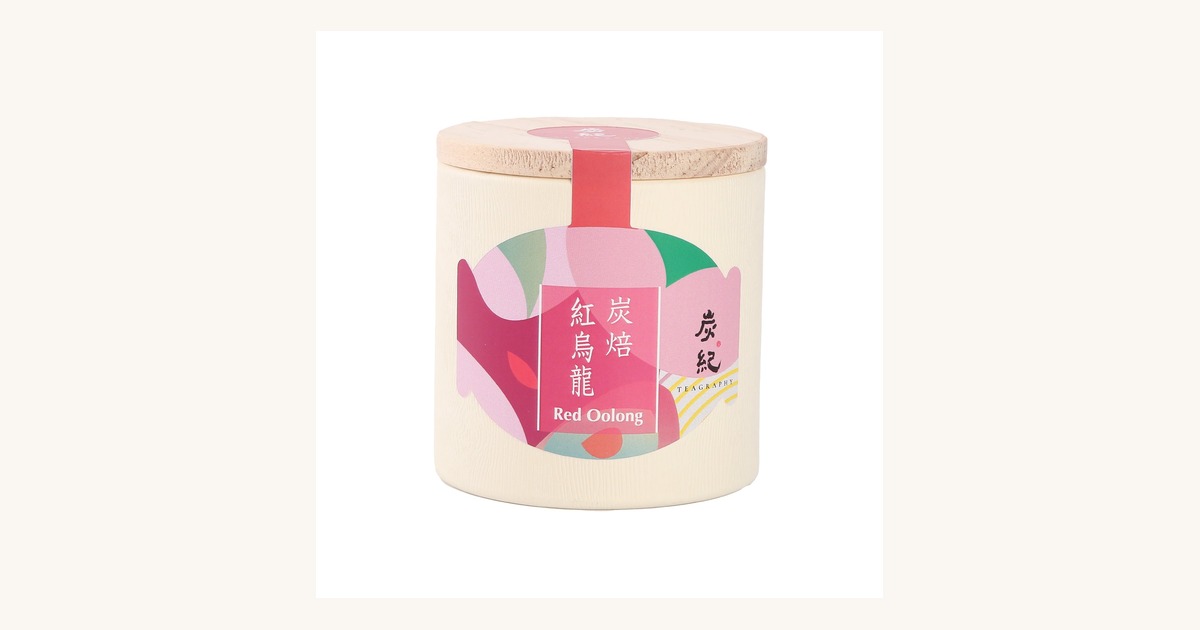
- Store oolong cool, dry, dark, and airtight—away from strong kitchen smells.
- Charcoal roasting drives moisture and impurities from within the leaf, supporting longer keeping when storage is sound.
- After opening a tin or bag, reseal promptly; use the included sealer tools if your pack provides them.
- Avoid the fridge for daily tins unless you can prevent condensation and odour transfer.
- Buy formats you will finish with pleasure—gift boxes for sharing, smaller tins for everyday rotation.
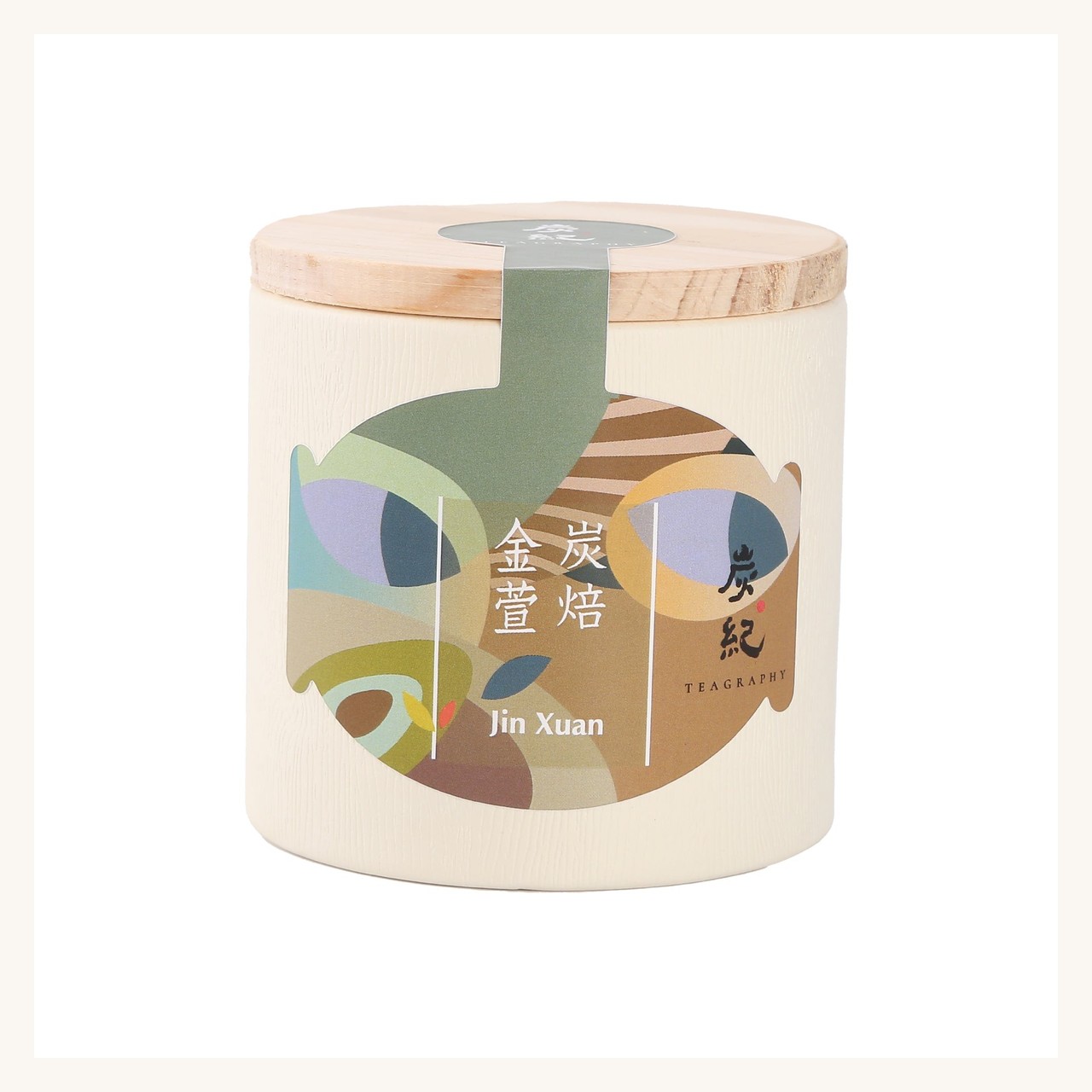
How to store oolong tea: keep it airtight, cool, dry, and away from light and kitchen smells. Charcoal-roasted Taiwanese oolong—such as Teagraphy’s longan-charcoal finishes—often holds its character well when those basics are respected, because the roast itself helps drive moisture out of the leaf.
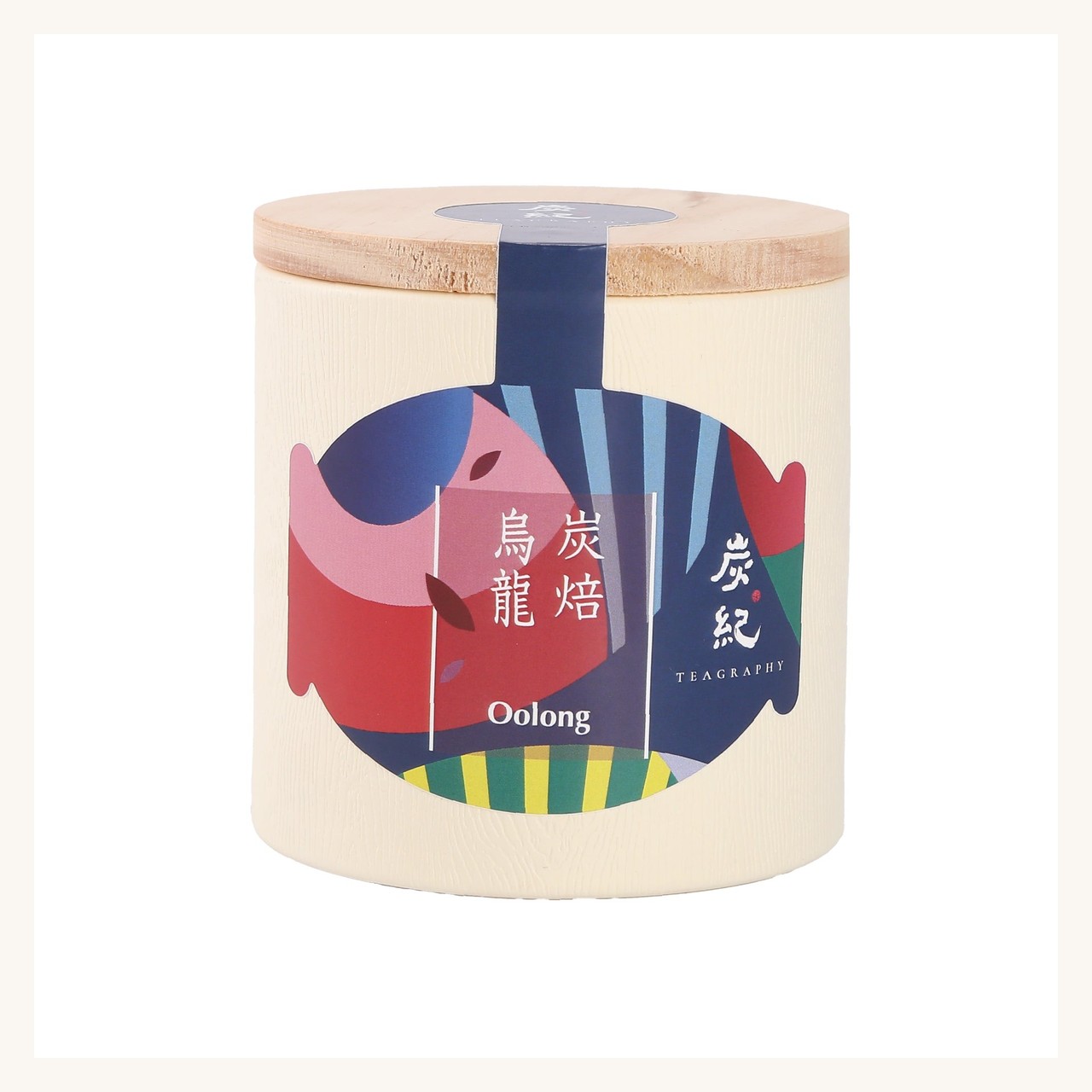
The four enemies of tea freshness
- Air — oxidation dulls aroma
- Moisture — softens leaf and invites off-notes
- Heat & light — accelerate ageing
- Odours — tea is a sponge for nearby smells
A sealed tin on a dark pantry shelf beats a pretty open bowl on the counter every time.
Why charcoal-roasted tea keeps
On Teagraphy’s roasting craft notes, charcoal’s radiant heat is described as reaching inside the stem, driving moisture and impurities out from within—unlike surface-only hot-air approaches. Combined with the master’s long watch over the basket, the finished leaf is thoroughly dried through. That physical dryness is one reason drinkers notice charcoal roasted tea freshness lasting when storage is sound.
Keeping quality is not a licence to leave a tin open. It means: seal it, and the craft you paid for is still there weeks and months later.
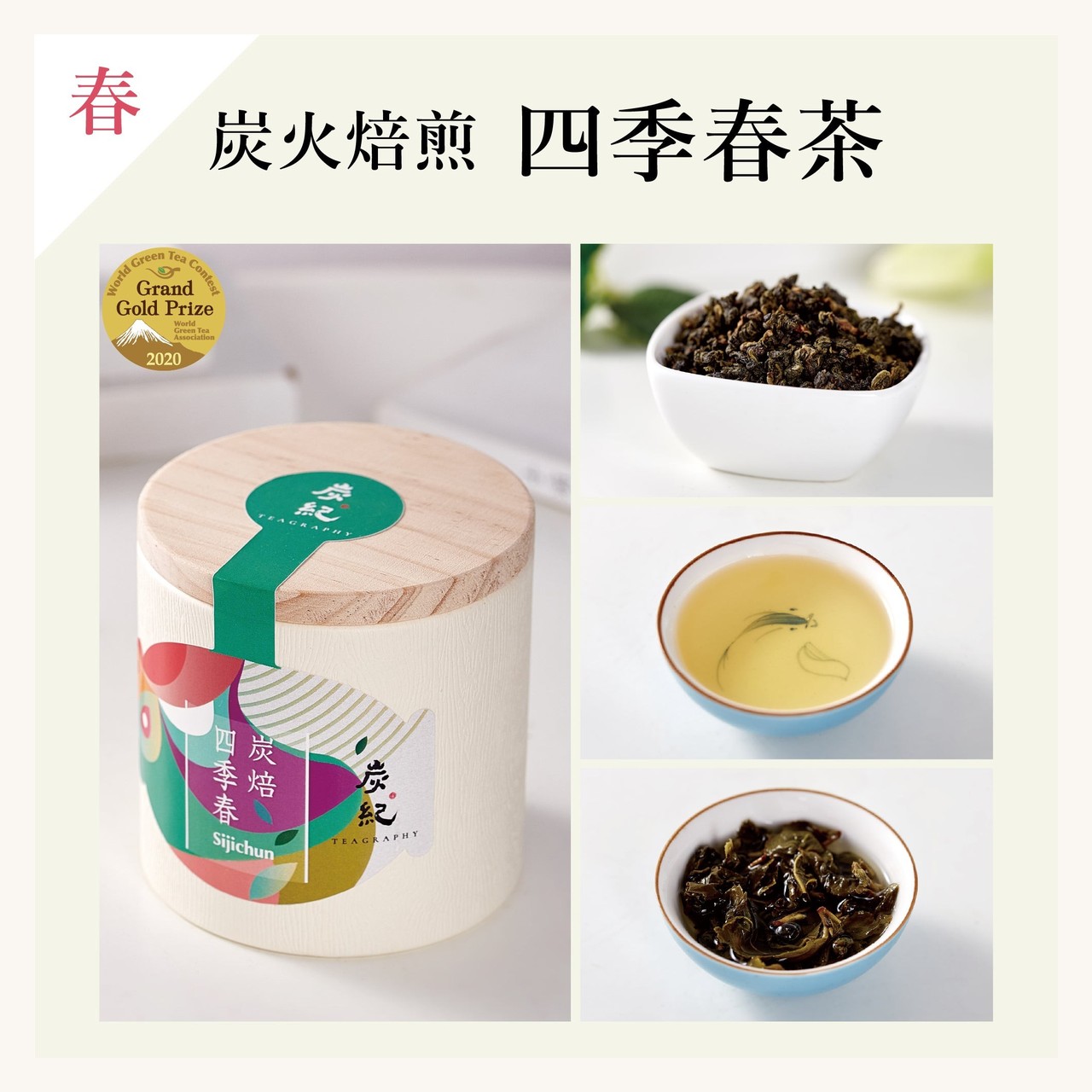
After you open the pack
- Scoop what you need with a dry spoon.
- Reseal the inner bag (use Teagraphy’s bag sealing stick instructions if your pack includes one).
- Close the tin lid firmly.
- Return the tin to a cool cupboard, not beside the kettle’s steam.
If you portion tea into a daily jar, keep that jar small so the main stock is opened less often.
Fridge or no fridge?
Refrigeration can help long-term bulk storage only when packs are truly airtight and you warm them to room temperature before opening—otherwise condensation dampens the leaf. For an everyday 50 g tin, a stable room cupboard is usually the better habit.
Buying with storage in mind
- Choose a size you will finish while aroma is vivid.
- Keep gift boxes sealed until gifting or first brew.
- Rotate open tins: finish one flavour before cracking the next.
Shop Teagraphy charcoal-roasted oolong · Read the roasting craft behind the freshness